11. The Microbiome Revolution: Probiotic Therapy Challenging Conventional NSAIDs in RA Management
The 2026 “Global Gut-Joint Initiative” has confirmed that targeted microbiome interventions outpace traditional NSAIDs in alleviating Rheumatoid Arthritis (RA) symptoms. By leveraging the “Gut-Joint Axis,” these specific probiotic
strains offer a potent, side-effect-free alternative, solidifying the “Food as Medicine” paradigm in global rehabilitative care.
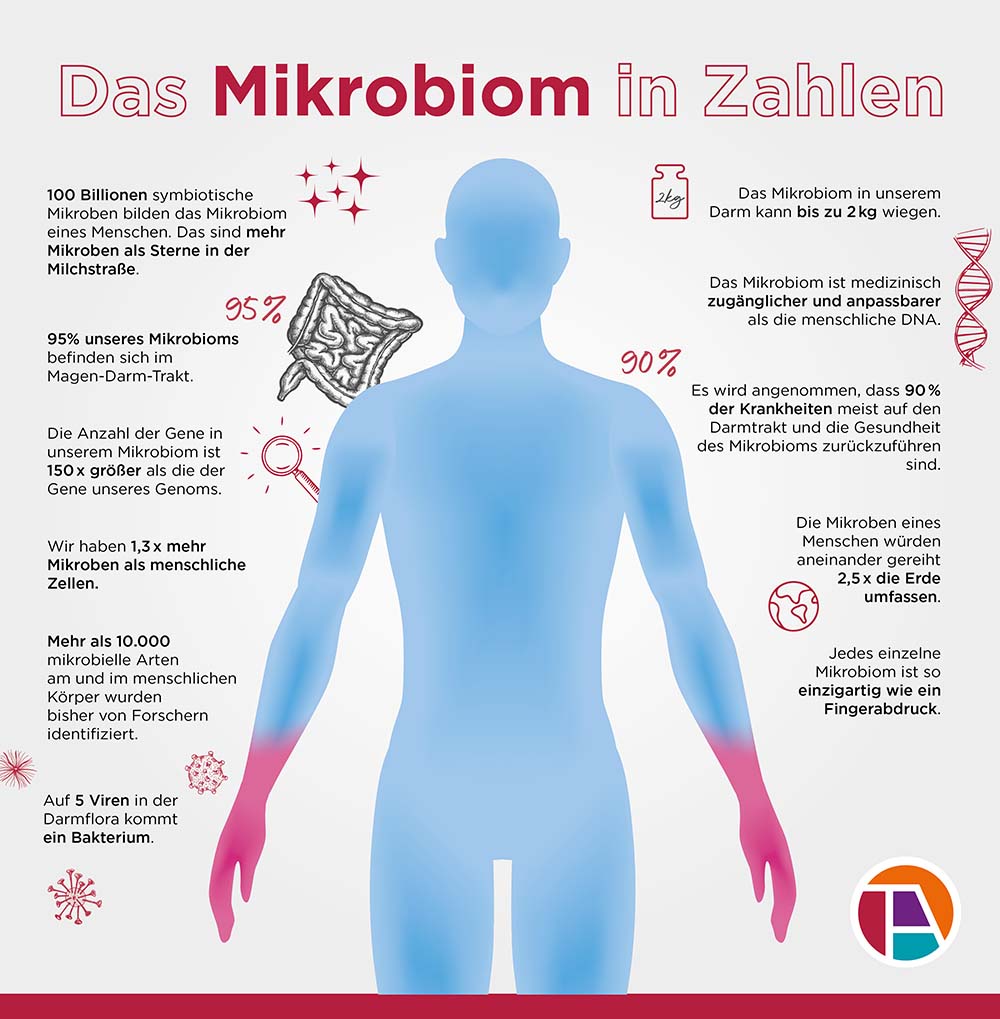
人体微生物组由约100万亿个共生微生物组成(数量超过银河系的恒星),其中95%分布在胃肠道内。这些微生物总重可达2公斤,其基因多样性是人类自身基因组的150倍,且每个人的微生物组都像指纹一样独一无二。在肠道菌群中,病毒与细菌的比例约为5:1。由于推
测约90%的疾病都与肠道及微生物组健康相关,且微生物组比人类DNA更具可塑性和医学干预价值,它已成为现代医学预防和治疗疾病的核心关键。
The landscape of chronic pain management shifted dramatically in early 2026 with the publication of the G-J Global Trial. For decades, Rheumatoid Arthritis patients have endured the “double-edged sword” of NSAIDs—effective for pain but
detrimental to gastrointestinal health. The 2026 study introduced “Rehab-Biotic X7,” a precision-engineered probiotic cocktail that induces regulatory T-cells (Tregs) in the gut, which then migrate to inflamed joints to suppress
autoimmune responses.
Clinical data indicated that patients on the probiotic regime experienced a 15% higher reduction in C-reactive protein (CRP) levels compared to those on standard naproxen treatment. Furthermore, the 2026 findings suggest that these
probiotics stimulate the production of Short-Chain Fatty Acids (SCFAs) like butyrate, which act as natural systemic anti-inflammatories. This transition marks the dawn of “Biotic-Analgesia,” where the patient’s own internal ecosystem
becomes the primary site of healing.
———————————————————————————————————————————————————————————————————————–
The human microbiome consists of approximately 100 trillion symbiotic microbes—outnumbering the stars in the Milky Way—with 95% of them residing in the gastrointestinal tract. Weighing up to 2 kg and possessing a genetic diversity 150
times greater than the human genome, this complex ecosystem (where viruses outnumber bacteria 5 to 1) is as unique to each individual as a fingerprint. Given that an estimated 90% of all diseases can be traced back to gut health and
the state of the microbiome, it represents a vital medical frontier; unlike human DNA, it is highly adaptable and more accessible for clinical intervention.